


Lewisham Way access for Catford removals
Posted on 02/07/2026
Lewisham Way access for Catford removals: a practical guide for smoother moving day
If you are planning a move in or out of Catford, Lewisham Way access for Catford removals can make a bigger difference than people expect. A short stretch of road, a narrow turning, a busy school run, or a parked van in the wrong place can quickly change a simple job into a stressful one. And let's face it, moving day already has enough moving parts.
This guide breaks down what Lewisham Way access means in real terms, why it matters for removals, how to plan around the local road layout, and what good preparation looks like. Whether you are arranging a flat move, a family house move, or a smaller van job, the aim is the same: keep the day calm, safe, and efficient.
For readers comparing services or planning the wider move, it can also help to understand the broader local picture. Our services overview is a useful starting point, and if you are moving home specifically, house removals in Catford explains the typical process in more detail.
![Nighttime scene at Lewisham Way train station showing an empty platform with tactile paving and yellow safety lines along the edge. A blue and white train is stationary on the left side, its doors closed. The platform is sheltered by a metal canopy with built-in lighting that illuminates the area. A black and silver trash bin is positioned near a support pillar on the platform, with a blue disabled access sign attached to the pillar. Visible on the platform are a few people, some dressed in high-visibility clothing, engaged in loading or unloading furniture, boxes, and packing materials onto a van parked nearby for a house removal at Catford. The scene reflects a typical setting during the logistics phase of home relocation, with detailed elements such as cardboard boxes, blankets, and trolley equipment involved in furniture transport and packing tasks as part of the [COMPANY_NAME] moving process.](/pub/blogphoto/lewisham-way-access-for-catford-removals1.jpg)
Why Lewisham Way access for Catford removals matters
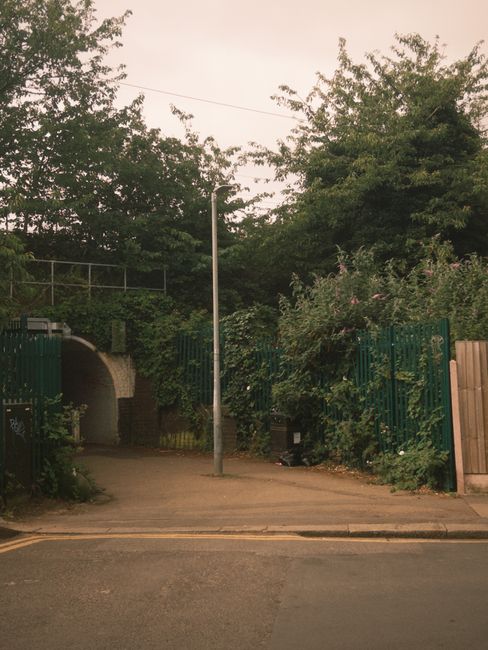
Lewisham Way sits on a corridor that many local movers need to think about when planning routes in south-east London. If your property is near Catford, the approach you take can affect everything from arrival time to how close the van can safely get to the door. That matters because removal work is often most efficient when the vehicle can park close, load quickly, and leave without unnecessary backtracking.
For a lot of people, the road itself is not the whole issue. It is the combination of things around it: junctions, traffic flow, busier periods, limited stopping space, nearby pedestrian movement, and the simple fact that large vehicles do not always behave gracefully on tighter London streets. A move that looks easy on a map can become awkward once you are standing there with a sofa, a wardrobe, and a neighbour trying to squeeze past. Bit of a reality check, really.
In Catford, access planning is especially useful for flats, maisonettes, and homes on roads where kerbside space is precious. If you are comparing move types, flat removals in Catford is worth reading because access issues often show up more sharply in apartment moves than in larger houses.
Expert takeaway: The best removal day is rarely the one with the fanciest vehicle. It is the one where the route, parking, loading point, and timing all line up neatly.
How Lewisham Way access for Catford removals works
In practical terms, Lewisham Way access means working out how a removal vehicle will reach your property, stop safely, and load or unload without blocking traffic or creating avoidable delays. That sounds simple. It rarely is. The difference between a smooth move and a frustrating one is usually made before the crew arrives.
The process normally starts with route planning. The mover checks the best approach from the wider road network, then considers whether the vehicle can get close enough for loading. After that comes access on foot: stairs, lifts, narrow hallways, shared entrances, and whether any items need to be carried through a long internal route. If your building has timed entry, a managed car park, or a loading bay, those details matter just as much as the main road.
For local moves, a man with a van in Catford can be a sensible fit when you need flexibility and a smaller vehicle. For bigger loads, a larger removal van in Catford may be better, but only if the approach road and parking situation are workable. Size is helpful; size without access planning is just a headache on wheels.
Access planning also includes the timing of the move. Early mornings, school run periods, lunch rushes, and late-afternoon congestion can all affect how long the van takes to get in and out. On a busy route, a small delay at the start can ripple through the whole schedule. That is why experienced movers tend to build in buffer time, especially for central approaches and busier local roads.
Key benefits and practical advantages
Good access planning around Lewisham Way brings a few clear benefits. The first is time. If the vehicle can stop close to the property, the team spends less time walking items back and forth. That reduces labour time, lowers the chance of damage, and makes the day feel a lot less chaotic.
The second benefit is safety. Long carries through traffic-heavy or narrow areas increase the risk of dropped items, trip hazards, and awkward lifting. By planning the access properly, you reduce those risks for the team and for anyone else using the road or pavement.
The third benefit is cost control. Removal prices are usually shaped by time, complexity, and resource use. If the access is awkward and not discussed in advance, the job may take longer than expected. Nobody likes surprise costs at the end of an already tiring day.
The fourth benefit is better protection for your belongings. Furniture moved in shorter, more controlled stages is less likely to be scraped, bumped, or twisted through an awkward doorway. That matters with bulky items like wardrobes, beds, tables, and anything with glass or delicate joints. If you are moving cherished pieces, furniture removals in Catford is a useful page to consult before the day comes around.
| Access approach | What it usually helps with | Typical downside if ignored |
|---|---|---|
| Close kerbside parking | Faster loading and unloading | Longer carry distances and more labour time |
| Pre-arranged loading bay | Safer vehicle positioning and less congestion | Delays if the bay is unavailable or not booked |
| Smaller van for tight roads | Better manoeuvrability and easier stopping | May require multiple trips for larger moves |
| Timed move outside busy periods | Less traffic pressure and easier access | More risk of congestion and missed slots |
Who this is for and when it makes sense
This kind of access planning is useful for anyone moving near Lewisham Way, but it is especially relevant if you are in a flat, a shared building, or a property with limited roadside space. Students moving between homes, renters switching between short lets, families moving within the borough, and office teams relocating equipment can all benefit from a tighter plan.
If your move is smaller and needs to happen quickly, same day removals in Catford may be an option, but only if access is straightforward enough for a fast turnaround. Same-day jobs can be brilliant for urgent situations. They can also be the exact wrong choice if the road arrangement is messy and you have not checked the basics.
It also makes sense if you are moving valuable or awkward items. For example, a piano, an oversized sofa, or boxed office equipment can all require better route planning than a standard trolley-and-dash approach. In those cases, access is not an admin detail. It is part of the job itself.
And if you are still deciding what type of removal support you need, the broader removal services in Catford page can help you match the job size to the right level of support.
Step-by-step guidance
Here is a simple way to plan Lewisham Way access for Catford removals without overcomplicating it.
- Check the property position. Look at where the vehicle can realistically stop and where the items need to come from. Is there a front entrance, rear access, shared hallway, or side passage?
- Measure the awkward bits. Note stair widths, door clearances, lift size, and any turns that might affect large furniture. Even a small tight bend can become a problem with a wardrobe.
- Think about parking and stopping space. If a van cannot stop directly outside, calculate the walking distance and whether you have safe pavement space for moving items.
- Choose the right vehicle. Smaller vehicles can be easier to position on busy roads, while larger vans may be better for bulkier loads. The best choice depends on access, not just volume.
- Plan the timing. Try to avoid peak traffic windows where possible. A morning slot may be calmer than late afternoon, but local conditions vary day by day.
- Prepare the items before arrival. Dismantle furniture, label boxes, and keep essentials separate. Nothing slows a move like hunting for the kettle while the van is already outside.
- Share the access details in advance. Mention any low bridges, security gates, intercoms, permits, or tricky entrances. Better to sound slightly over-detailed now than sorry later.
- Keep a backup plan. If kerbside space is taken, know where the next best stop is. That tiny bit of flexibility can save the whole schedule.
If you are packing as you go, packing and boxes in Catford can help you get the preparation side sorted neatly. Good packing and good access planning go together. One without the other is a half-finished job.
Expert tips for better results
After plenty of local moves, a few habits stand out. First, keep the path from the property to the van as short and clean as possible. Remove loose mats, empty bins, and anything else that creates a stumbling point. It sounds obvious, but in a rush people miss it every time.
Second, do a proper walk-through before the removal day. Stand at the entrance and imagine the biggest item you own moving through the space. Can it turn the corner? Will it scrape the bannister? Would you need two people just to manage the first staircase landing? That five-minute mental check can save a lot of faff.
Third, tell the mover about any access quirks early. A quiet note about a locked courtyard or a narrow gate can completely change the loading plan. Movers generally prefer useful detail rather than surprises. Who doesn't?
Fourth, if you are unsure about vehicle size, ask for advice rather than guessing. A larger van is not automatically better. Sometimes a more agile vehicle beats a bigger one, especially around tighter access near Lewisham Way and the surrounding Catford streets.
Fifth, if you are moving on a tight budget, compare the likely cost of one well-planned trip versus the cost of a cheaper option that needs repeat journeys. With access-heavy jobs, the cheapest quote is not always the cheapest outcome. In our experience, that's where people get caught out.
For a broader look at local moving choices, man and van in Catford can be a practical middle ground for smaller or moderately sized loads.
Common mistakes to avoid
The most common mistake is assuming road access will work itself out on the day. It often doesn't. A van can arrive on time and still lose twenty minutes trying to position safely. That delay might not sound much, but when you are juggling keys, building access, and a pile of boxes, it is enough to throw the whole thing off.
Another mistake is underestimating how much space bulky furniture needs. A sofa that fits perfectly in your lounge can still be awkward to pivot through a doorway or around a stairwell. People sometimes measure the furniture and forget the route. The route matters just as much.
Then there is the classic issue of not checking whether parking restrictions apply. Around busier roads, a quick stop can turn into a fines-and-fussing situation if it has not been thought through. You do not want your moving crew watching the clock while a ticket risk sits on the dash. That's no fun at all.
Some moves also fail because the packing is not ready. If boxes are still open, or if the contents have not been grouped sensibly, loading becomes slower and messier. It is hard to use access efficiently when the actual items are not ready to go.
- Do not assume a large van is always the best option.
- Do not leave parking and stopping arrangements until moving day.
- Do not forget about stairs, lifts, and long internal carries.
- Do not pack last-minute loose items without labels.
- Do not keep access details in your head only; write them down and share them.
Tools, resources and recommendations
You do not need a complicated toolkit to manage access well. What helps most is a simple set of practical checks. A tape measure is useful for doors, hallways, and large furniture. A phone camera helps you share images of entrances, stairs, and parking spots. A notepad or notes app is handy for timings, key collection, and contact names.
It can also be useful to make a very basic room-by-room list. Keep one list for items being moved, one for items staying behind, and one for anything that needs special handling. That last category might include mirrors, screens, antiques, or awkwardly shaped items that need extra care.
If your move involves storage because the property is not ready, storage in Catford can be useful as part of a phased move. That can be especially handy when access is tight and you want to split the process rather than forcing everything into a single chaotic day.
If you are comparing options or want to understand the company background before booking, you can also take a look at about us for a better sense of the team and approach. For questions about bookings, timing, or move specifics, the contact page is the simplest place to start.
Law, compliance, standards, or best practice
Access planning for removals is not just a convenience issue; it also touches on safety and good practice. In the UK, movers and customers generally need to think about safe loading, sensible vehicle positioning, and avoiding hazards for pedestrians and other road users. Exact arrangements can vary depending on the location, building rules, and the nature of the move, so it is wise to keep expectations realistic and practical.
If the move involves a public road like Lewisham Way, good practice usually means avoiding obstruction, keeping walkways clear where possible, and making sure the route chosen does not create unnecessary risks. This is one reason why experienced removal teams pay so much attention to access notes before the job begins. They are not being fussy. They are trying to keep the day safe and legal.
Building rules may also matter. Some blocks of flats have entry procedures, lift booking rules, or restrictions on moving times. If so, those rules should be checked early and followed carefully. It may feel like admin, but it saves everyone grief later.
For service standards, it is sensible to look for clear communication, realistic timing, transparent pricing, and proper handling of items. If you want to know more about pricing and how quotes are usually approached, pricing and quotes is a helpful page to read before you decide.
When safety is part of the conversation, some readers also like to review the company's health and safety policy and insurance and safety information. That sort of transparency matters, especially with larger items or busy access points.
Options, methods, or comparison table
There is no single best removal method for every Lewisham Way access situation. The right choice depends on how close the vehicle can get, how much you are moving, and how much help you need on the day.
| Option | Best for | Main advantage | Main limitation |
|---|---|---|---|
| Man with a van | Smaller moves, student moves, quick local jobs | Flexible and usually easier on tighter roads | May require multiple trips for larger loads |
| Removal van | House moves, bulkier furniture, mixed-load jobs | Better capacity and more room for careful stacking | Needs more thoughtful parking and route planning |
| Same-day removal | Urgent relocations or short-notice changes | Speed and responsiveness | Less forgiving if access is complicated |
| Storage plus staged move | Delays, downsizing, renovation gaps | Reduces pressure when access or timing is not ideal | Adds an extra step to the moving plan |
For students, the lighter approach often works well, especially if they are moving between flats or shared houses. A dedicated student removals Catford page can be useful if the move is compact but time-sensitive.
If you are comparing different providers and looking for a broader picture of the market, removal companies in Catford gives a useful sense of the wider service landscape.
Case study or real-world example
Picture a standard Catford flat move on a weekday morning. The property is off a road that connects to Lewisham Way, and the residents have a lift, but the building entrance is shared and the pavement space outside is not generous. If the mover arrives without access notes, they may spend the first part of the job circling for a place to stop, then carrying boxes farther than expected. Not disastrous, but not efficient either.
Now imagine the same move with a proper access plan. The customer has already confirmed the best stopping point, the move starts outside the busy period, the van size matches the street, and the heavier furniture has been dismantled the night before. The crew loads in a steady rhythm, the stair carry is predictable, and the whole job finishes with less stress and less noise in the street. Simple stuff, really. But simple done well is powerful.
That is the whole point of Lewisham Way access planning: you are not trying to make removals glamorous. You are trying to make them predictable. Predictable is good. Predictable saves time, money, and a lot of muttering under your breath.
If you are moving a full family home rather than a single room, house removals in Catford gives a clearer picture of how a bigger move can be organised around local access conditions.
Practical checklist
Use this checklist before move day. It is not fancy, but it works.
- Confirm the exact property address and access point.
- Check whether the van can stop legally and safely nearby.
- Measure major furniture and any narrow doorways or stairs.
- Ask about lifts, loading bays, intercoms, and entry codes.
- Decide whether a smaller vehicle or larger removal van is more practical.
- Choose a moving time that avoids obvious congestion where possible.
- Pack and label boxes before the crew arrives.
- Set aside valuables, documents, and essentials separately.
- Tell the mover about any parking restrictions or building rules.
- Keep your phone charged and available on the day.
If you are still preparing belongings, the package and boxes Catford page can help with the practical side of getting everything ready in time. Tiny admin win, big moving-day payoff.
Get a free quote today and see how much you can save.
Conclusion
Lewisham Way access for Catford removals is really about making good decisions before the van turns up. If you understand the road layout, think honestly about stopping space, and prepare your items properly, the whole move becomes easier to manage. That is true whether you are moving a single flat, a family house, or a small office load.
The best removal day is rarely the most dramatic one. It is the calm one. The one where the right vehicle arrives, the route makes sense, the carry is short, and everybody knows what is happening. A bit of planning goes a long way. More than most people expect, actually.
And if you are in that slightly messy stage where you are half packed, half panicking, and not quite sure which way the sofa will go, that is normal. Take it step by step. The move will get there.
![Nighttime scene at Lewisham Way train station showing an empty platform with tactile paving and yellow safety lines along the edge. A blue and white train is stationary on the left side, its doors closed. The platform is sheltered by a metal canopy with built-in lighting that illuminates the area. A black and silver trash bin is positioned near a support pillar on the platform, with a blue disabled access sign attached to the pillar. Visible on the platform are a few people, some dressed in high-visibility clothing, engaged in loading or unloading furniture, boxes, and packing materials onto a van parked nearby for a house removal at Catford. The scene reflects a typical setting during the logistics phase of home relocation, with detailed elements such as cardboard boxes, blankets, and trolley equipment involved in furniture transport and packing tasks as part of the [COMPANY_NAME] moving process.](/pub/blogphoto/lewisham-way-access-for-catford-removals3.jpg)
